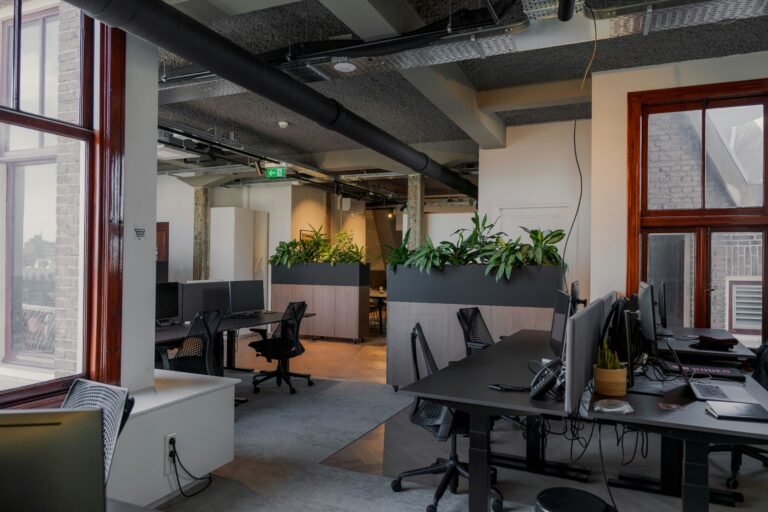

Choosing the right workspace is one of the most important decisions a business can make. The environment where you work impacts productivity, collaboration, company culture, employee satisfaction, and even how clients perceive your business.
As flexible workspace solutions continue to grow in popularity across Vancouver, businesses now have more choices than ever before. Two of the most popular options are coworking spaces and private offices. While both offer professional work environments, they serve different needs and business objectives.
Understanding the differences between coworking and private office solutions can help you make the right decision for your current needs and future growth plans.
Understanding Coworking Spaces
Coworking spaces are shared work environments where individuals and businesses work alongside other professionals in a collaborative setting.
These spaces are designed to provide flexibility, affordability, and networking opportunities while maintaining a professional business environment.
Coworking memberships typically include access to:
- Shared workstations
- Hot desks
- Dedicated desks
- Meeting rooms
- High-speed internet
- Common business areas
- Networking opportunities
Coworking spaces are particularly popular among freelancers, entrepreneurs, startups, remote workers, and small businesses.
Understanding Private Offices
Private offices provide businesses with dedicated, enclosed office space that offers greater privacy, security, and control over the work environment.
Unlike coworking spaces, private offices are reserved exclusively for a specific individual, team, or company.
Private office solutions often include:
- Fully enclosed office space
- Dedicated workspace
- Professional business address
- Meeting room access
- Business amenities
- Secure working environment
- Flexible office terms
Private offices are commonly used by consultants, legal professionals, financial advisors, agencies, startups, and growing teams.
The Benefits of Coworking Spaces
Affordability
One of the biggest advantages of coworking spaces is affordability. Businesses can access professional work environments without committing to the costs associated with traditional office leasing.
This makes coworking an attractive solution for startups and independent professionals who want professional workspace without significant overhead expenses.
Flexibility
Coworking memberships typically offer flexible terms, allowing businesses to adjust workspace requirements as needs change.
Whether you need workspace a few days per week or every day, coworking provides flexibility that traditional office environments often cannot match.
Networking Opportunities
Coworking environments naturally bring together professionals from various industries.
This creates opportunities for:
- Collaboration
- Partnerships
- Referrals
- Business development
- Knowledge sharing
For entrepreneurs and small business owners, these connections can become valuable business assets.
Reduced Administrative Responsibilities
Most coworking spaces include utilities, internet access, maintenance, and shared amenities within membership fees.
This allows professionals to focus on growing their businesses rather than managing office operations.
The Benefits of Private Offices
Privacy
Privacy is one of the primary reasons businesses choose private office space.
Confidential discussions, client meetings, financial planning, and sensitive projects often require environments where information can be discussed securely.
Private offices provide that level of confidentiality and control.
Professional Image
A private office can help strengthen a company’s professional image.
Clients often appreciate meeting in dedicated office environments that reflect stability, professionalism, and credibility.
Improved Focus
While coworking spaces can be collaborative and energetic, some professionals perform better in quieter environments with fewer distractions.
Private offices provide focused workspaces where teams can concentrate on projects without interruptions.
Team Collaboration
Private offices allow teams to work together in a dedicated environment while maintaining privacy and consistency.
For businesses with multiple employees, this can improve communication, workflow, and team culture.
When Coworking Is the Better Choice
Coworking spaces are often ideal for:
- Freelancers
- Remote workers
- Digital nomads
- Entrepreneurs
- Startups
- Independent consultants
These professionals often benefit most from flexibility, affordability, and networking opportunities.
If your business does not require private space every day and values collaboration, coworking may be the best solution.
When a Private Office Is the Better Choice
Private offices are often ideal for:
- Growing businesses
- Small teams
- Consulting firms
- Legal professionals
- Financial advisors
- Client-facing businesses
Businesses that handle confidential information or require dedicated workspace generally benefit from private office environments.
Comparing Costs
Coworking Costs
Coworking memberships generally offer lower monthly costs because resources are shared among members.
This allows businesses to access premium locations and professional amenities at a lower cost.
Private Office Costs
Private offices typically involve higher monthly investment because businesses receive exclusive use of dedicated office space.
However, many organizations consider the additional privacy, professionalism, and productivity worth the investment.
Scalability and Business Growth
One of the major advantages of flexible workspace providers is scalability.
Many businesses begin with coworking memberships and eventually transition into private offices as they grow.
This allows companies to:
- Control costs during early stages
- Scale gradually
- Avoid relocation challenges
- Maintain operational flexibility
The ability to move between workspace solutions provides significant advantages for growing businesses.
Hybrid Work Considerations
The rise of hybrid work has changed how businesses think about office space.
Some companies combine coworking memberships with occasional private office use to create flexible workplace strategies that support both remote and in-office employees.
This approach provides flexibility while maintaining access to professional workspace when needed.
Questions to Ask Before Choosing
Before deciding between coworking and private office space, consider the following:
- How many people need workspace?
- Do you regularly meet clients?
- Is privacy important to your business?
- What is your budget?
- Do you expect rapid growth?
- How important is networking?
- Do employees require quiet work environments?
Answering these questions can help identify which workspace solution aligns best with your business objectives.
Why Many Businesses Start with Flexible Workspace Solutions
One of the reasons flexible workspaces continue to grow in popularity throughout Vancouver is their ability to accommodate changing business needs.
Rather than committing to long-term leases, businesses can choose workspace solutions that match their current stage of growth while maintaining the flexibility to adjust in the future.
This adaptability reduces risk and allows businesses to focus on growth rather than office management.
Conclusion
Both coworking spaces and private offices offer valuable benefits, but the right choice depends on your business goals, budget, team size, and operational requirements.
Coworking spaces provide affordability, flexibility, and networking opportunities that are ideal for freelancers, startups, and remote professionals. Private offices offer privacy, professionalism, and dedicated work environments that support growing businesses and client-facing organizations.
The good news is that modern workspace providers offer flexible solutions that allow businesses to move between coworking and private office environments as needs evolve.
By carefully evaluating your current requirements and future growth plans, you can choose a workspace solution that supports productivity, professionalism, and long-term business success.